 Attention

Objective & Quantitative
High-precision behavioral data capture with standardized metrics.
Digital cognitive tasks designed to assess attention, executive function, cognitive flexibility, processing speed, working memory, and problem-solving through interactive smartphone-based paradigms.
Spica enables researchers and clinicians to capture objective cognitive biomarkers remotely, continuously, and at scale.
Cognitive dysfunction is associated with neurological, psychiatric, neurodevelopmental, and neurodegenerative conditions. Traditional cognitive testing is often limited by episodic administration and reduced ecological validity.
Spica’s digital cognitive tasks provide scalable, objective, and repeatable assessments that can be performed remotely using smartphones and tablets.
High-precision behavioral data capture with standardized metrics.
Assess cognition anywhere with scalable remote solutions.
Track cognitive changes over time with reliable and consistent tasks.
Millisecond-level data for deep cognitive insights and biomarker discovery.
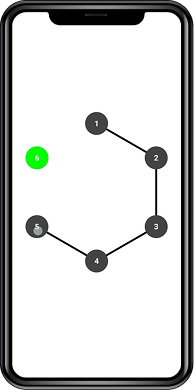
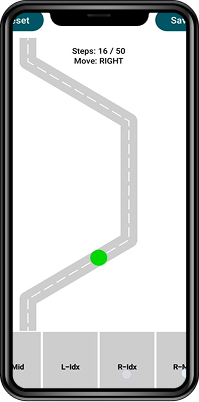
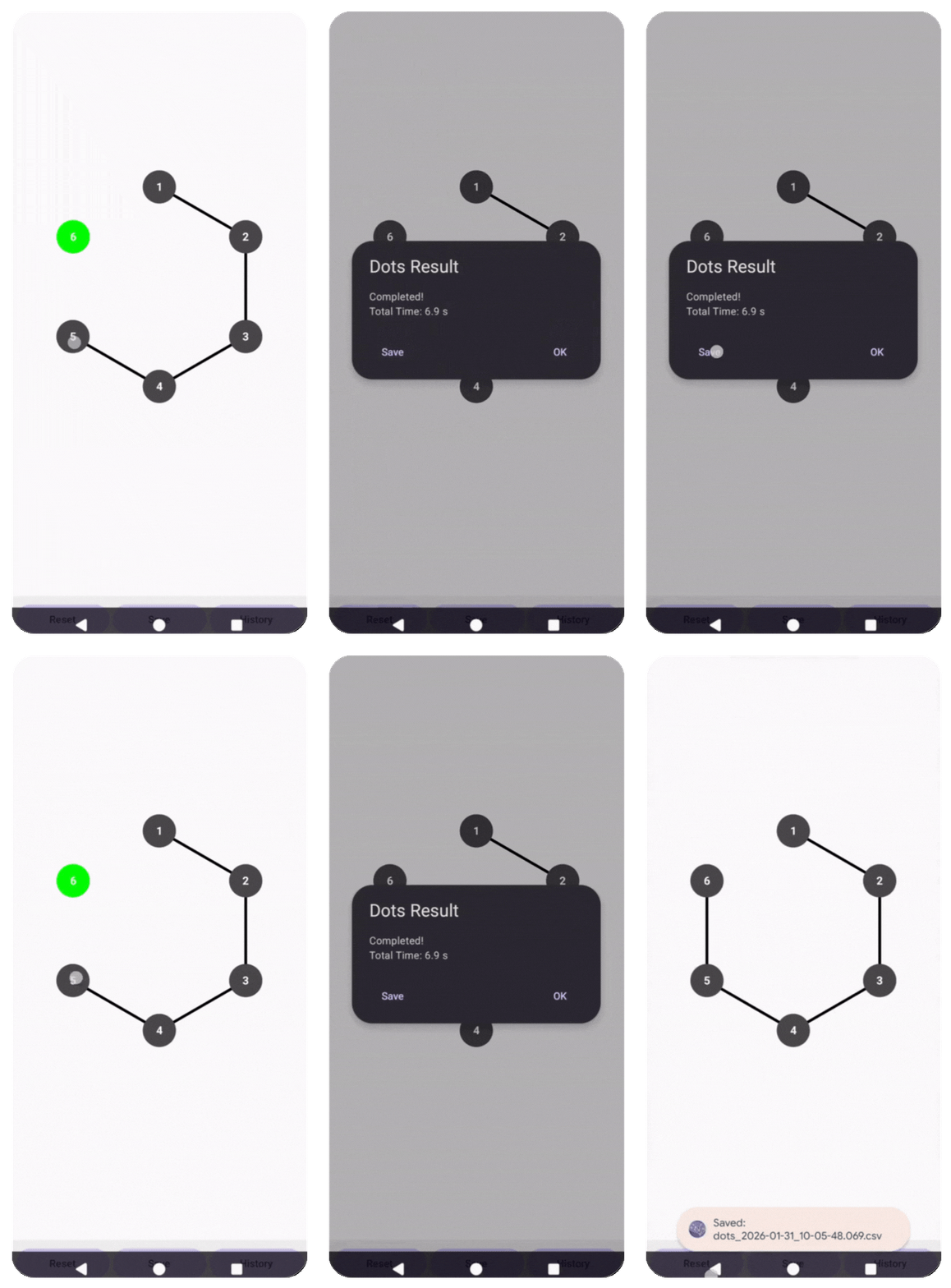
Evaluates attention, sequencing ability, visuomotor coordination, and processing efficiency through guided visual connection paradigms.
How It Works in Spica
Key Metrics
Task Data:
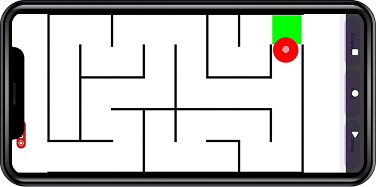
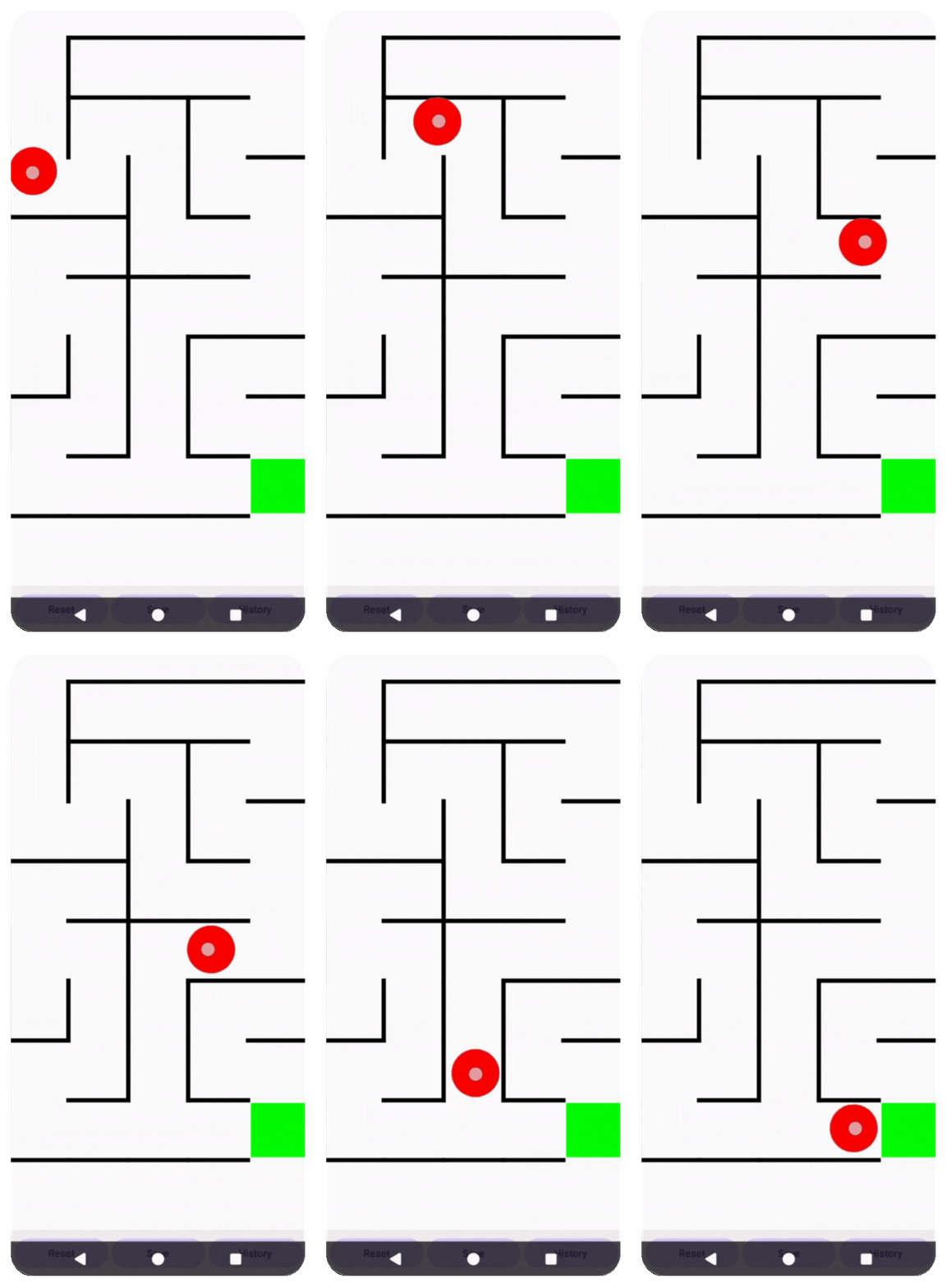
Maze Challenge evaluates planning ability, spatial navigation, executive control, and problem-solving strategies through interactive maze-solving paradigms.
How It Works in Spica
Key Metrics
Task Data:
Frog Maze assesses sustained attention, inhibitory control, adaptive problem-solving, and decision-making through gamified navigation paradigms.
How It Works in Spica
Key Metrics
Task Data:
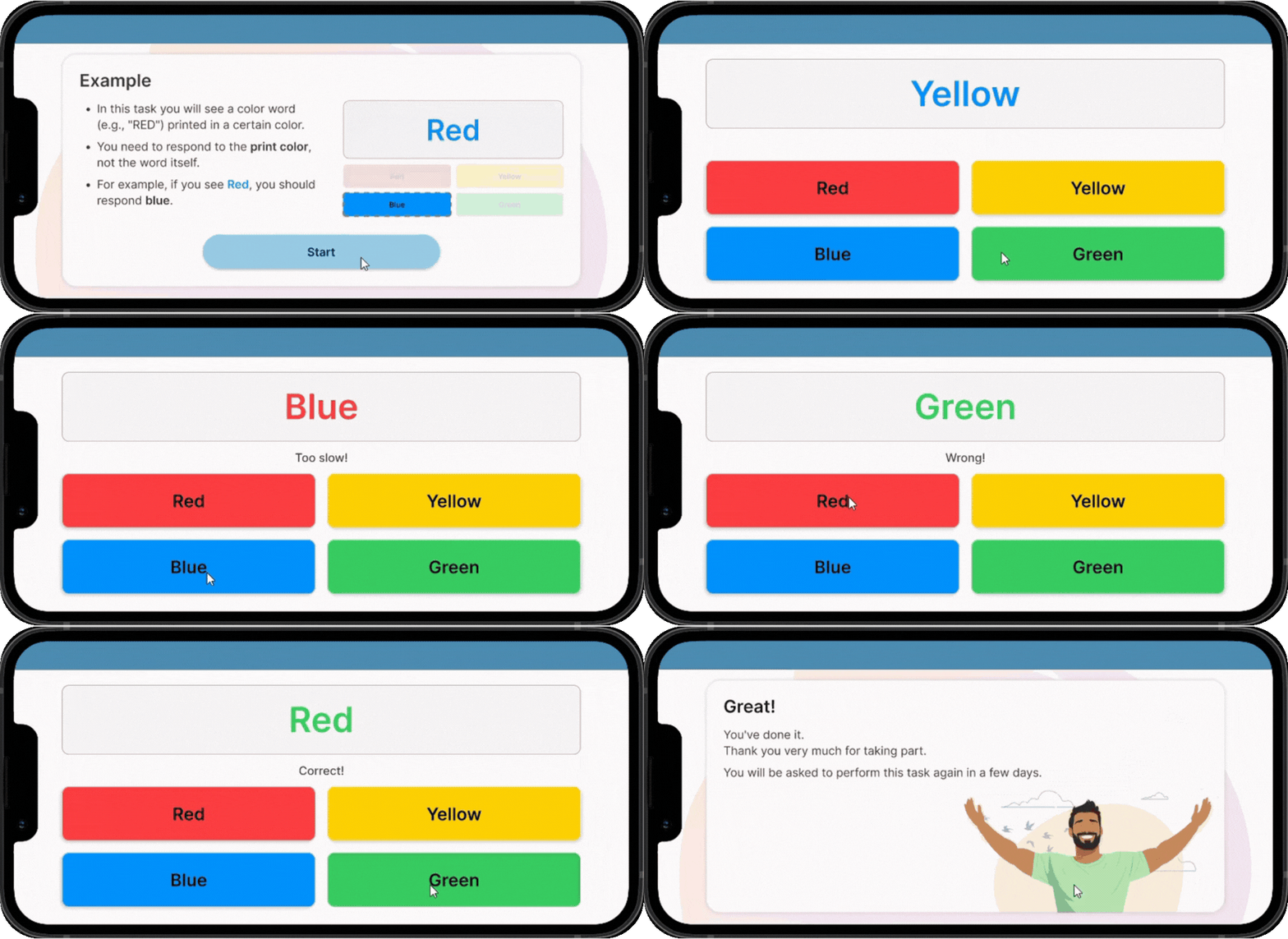
The Stroop Task assesses selective attention, cognitive control, processing speed, and response inhibition by examining how participants respond to conflicting information.
Research Applications
Relevant to research on ADHD, Parkinson’s disease, dementia, depression, obsessive-compulsive disorder (OCD), and addiction.
Task Data:
The Flanker Task measures selective attention and cognitive control by examining how distracting or conflicting stimuli influence responses to a target.
Research Applications
Relevant to research on ADHD, schizophrenia, depression, and age-related cognitive decline.
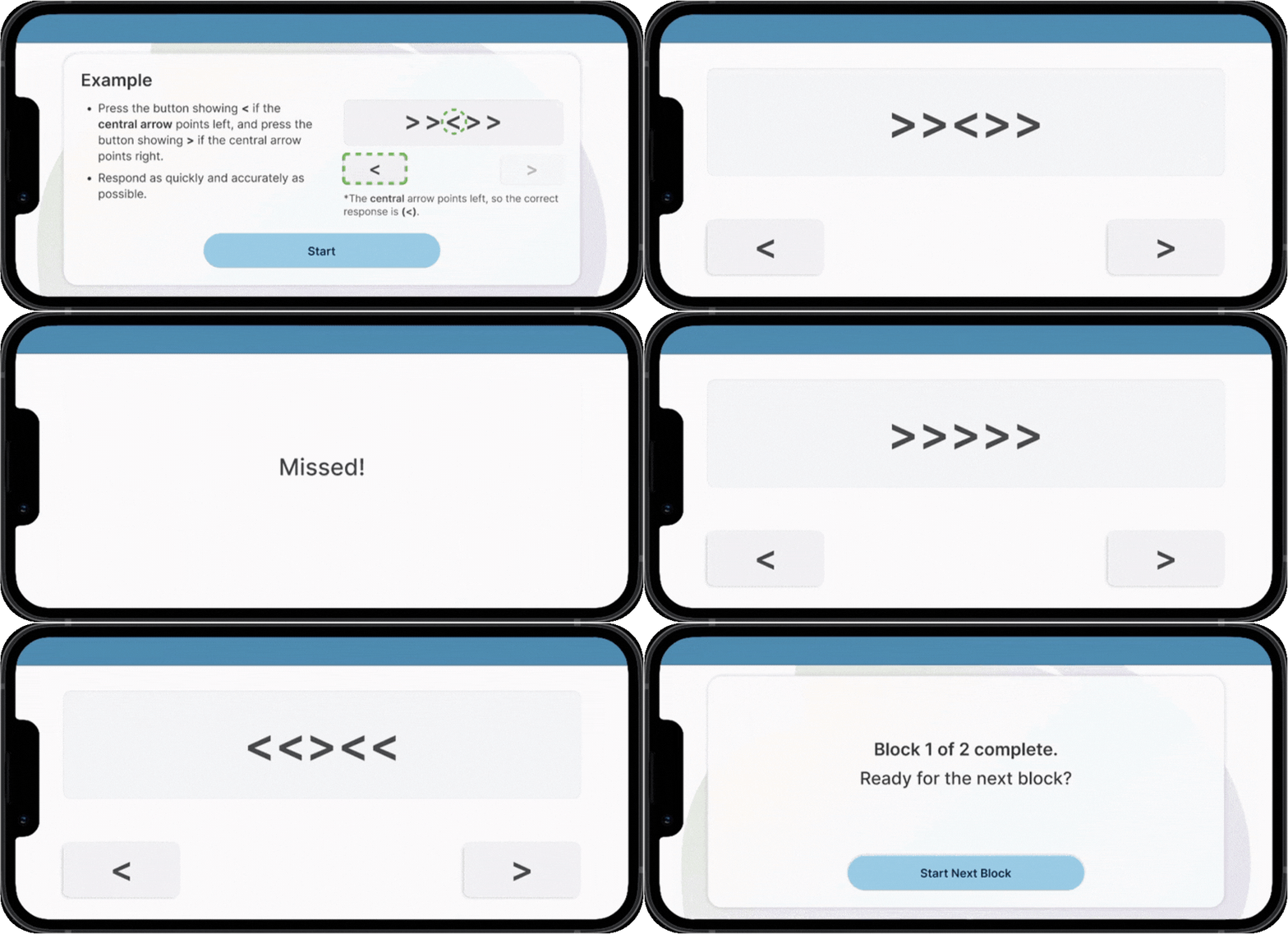
Task Data:
The Go/No-Go Task assesses response inhibition, impulse control, and attention by requiring participants to respond to designated stimuli while withholding responses to others.
Research Applications
Relevant to research on ADHD, obsessive-compulsive disorder (OCD), addiction, and neurodegenerative diseases.
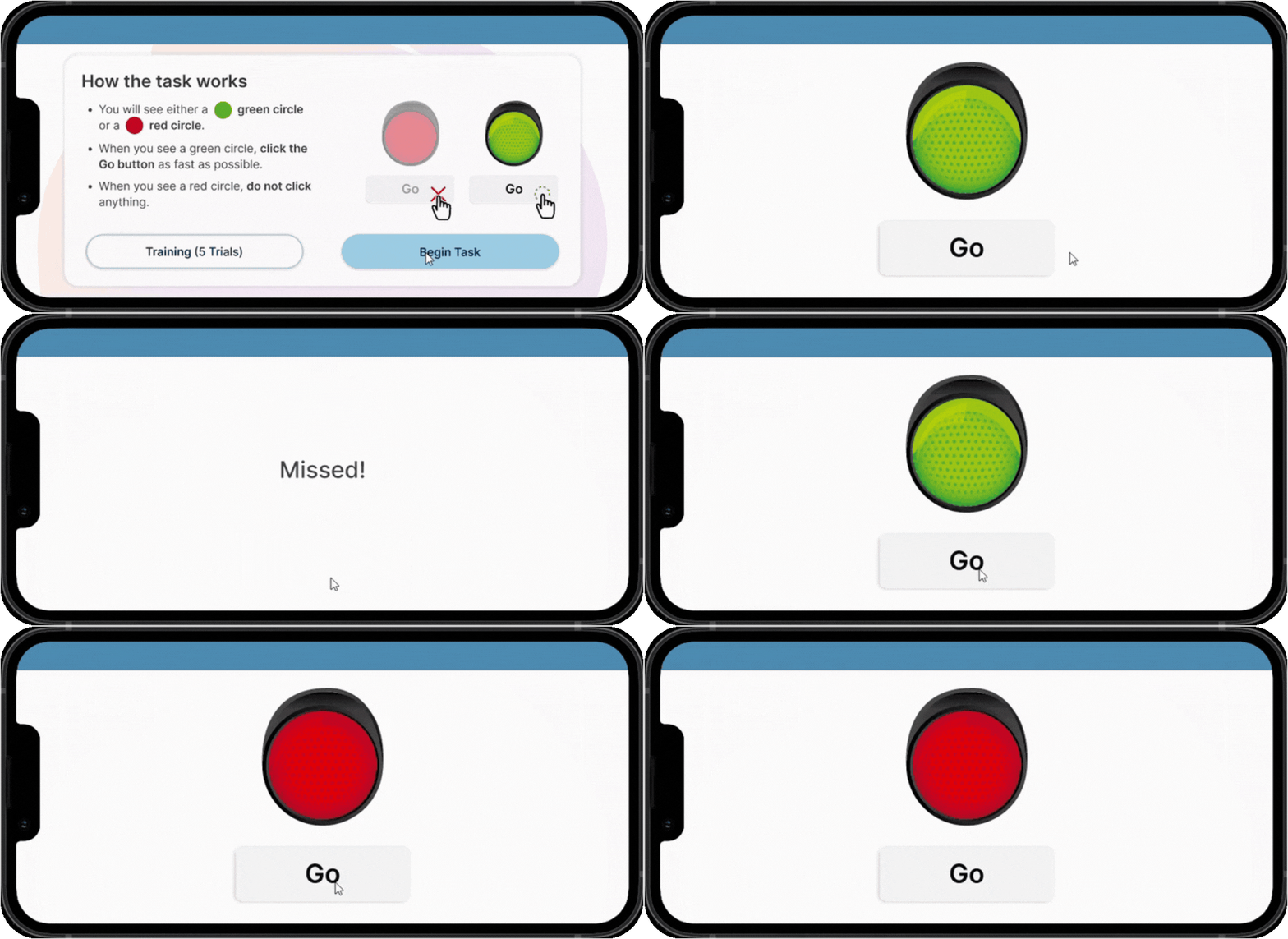
Task Data:
The Stop-Signal Task measures inhibitory control by examining participants’ ability to stop an initiated response when a stop signal appears. A key outcome is the Stop-Signal Reaction Time (SSRT).
Research Applications
Relevant to research on ADHD, obsessive-compulsive disorder (OCD), schizophrenia, and addiction.
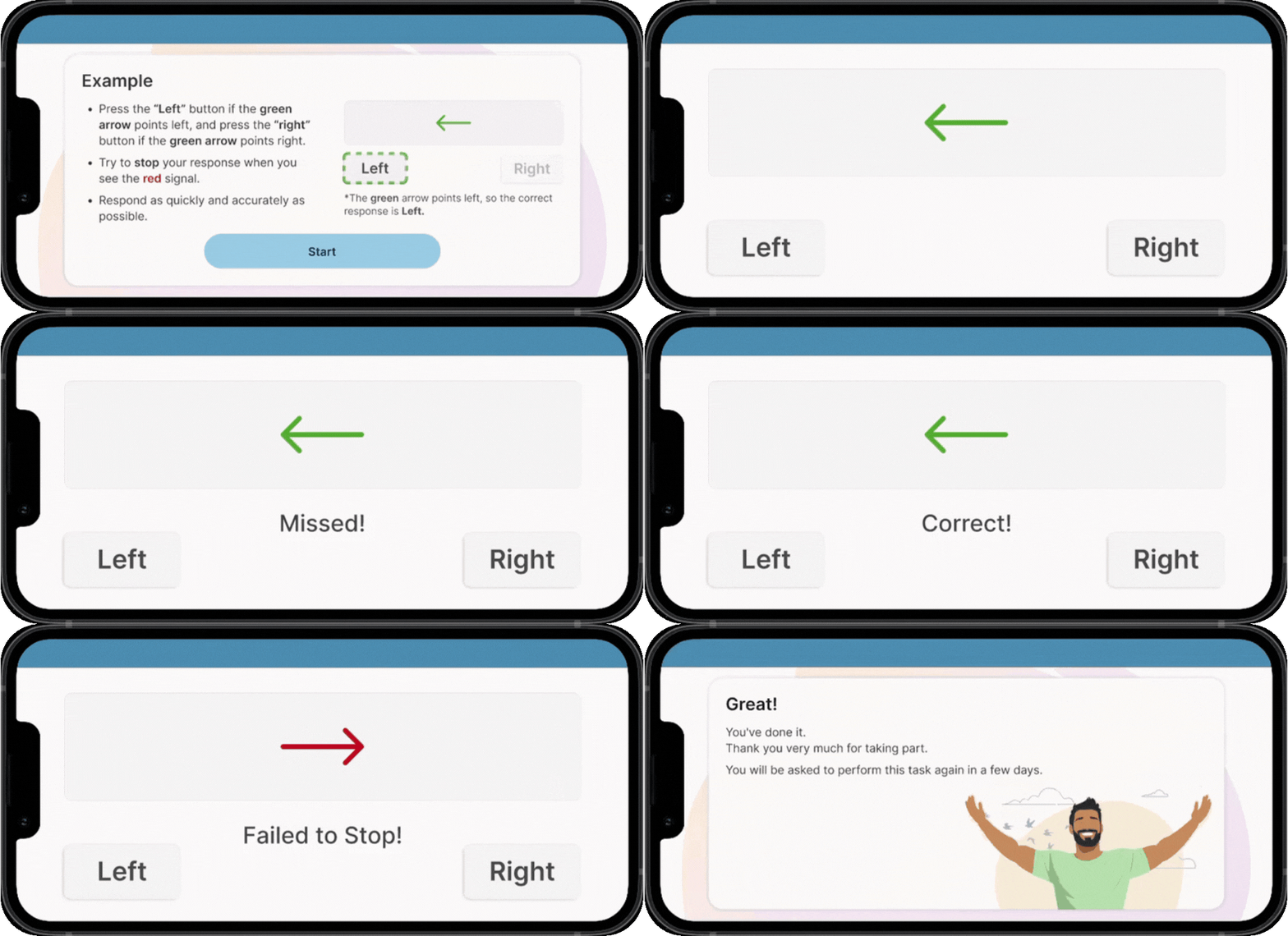
Task Data:
ADHD Research
Cognitive Decline Monitoring
Neuropsychological Assessment
Executive Dysfunction Studies
Pediatric Cognitive Research
Remote Cognitive Monitoring
Digital Therapeutics
Longitudinal Cognitive Phenotyping
Enable scalable, objective, and real-world cognitive assessment through clinically relevant digital tasks and multimodal monitoring.


 7.svg)